
Is Rent Reporting Worth It in Canada?
Rent reporting is worth it when on-time rent reaches a credit bureau at little or no extra cost. Here is what it can and cannot do for your credit file.
7 min readSarah Mitchell
Blog
Rent reporting is worth it when on-time rent reaches a credit bureau at little or no extra cost. Here is what it can and cannot do for your credit file.
7 min readSarah Mitchell
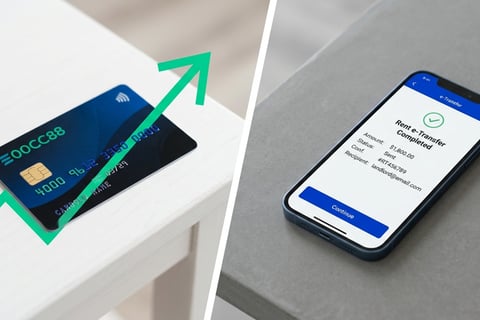
A credit card builds credit because the issuer reports it. Rent paid by cheque, e-transfer, or pre-authorized debit stays invisible unless a rent-reporting service sends it to a bureau.
7 min readSarah Mitchell

A realistic timeline for building credit with rent payments in Canada, covering what reported rent adds to an Equifax file and what it cannot fix on its own.
8 min readSarah Mitchell

Canadian renters pay thousands monthly but get no credit for it when applying for a mortgage. Rent reporting to Equifax is finally changing the math.
8 min readSarah Mitchell

Millions of Canadians are credit invisible. Rent reporting to Equifax turns your biggest monthly bill into evidence lenders can actually see.
7 min readSarah Mitchell

Canada's credit system is finally catching up to renters. Open banking, new federal legislation, and rental tradelines are changing who gets seen — and who gets left behind.
6 min readSarah Williams

A thin credit file is a data problem, not a character problem. Here is the 2026 playbook for Canadian tenants: report on-time rent, add one controlled credit account, and keep both bureau records accurate.
8 min readSarah Mitchell

The difference between a 650 and 750 credit score in Canada is tens of thousands of dollars over a decade. Here is what each milestone actually unlocks — and how rent reporting accelerates the climb.
8 min readSarah Williams

Discover free, secure ways to check your credit score and report in Canada, including Equifax, TransUnion, Borrowell, and Credit Karma. Learn what affects your score, how Canadian models differ from FICO/VantageScore, and how to improve, plus a bureau comparison and 10-question FAQ.
11 min readSarah Williams

