

Quick Answer
Renting a room in your Ontario house can fall outside the Residential Tenancies Act when you and the occupant share a kitchen or bathroom. That distinction changes the dispute process, but it does not remove the need for a clear written agreement, lawful screening, safe living conditions, and documented rent payments.
Introduction
For homeowners, renting a room can offset household costs, but the legal starting point is whether the owner or immediate family lives in the same building and shares a kitchen or bathroom with the renter. A room-rental arrangement in Ontario may not be covered by the Residential Tenancies Act when the homeowner or the homeowner’s immediate family lives in the same building and shares a kitchen or bathroom with the occupant. That means the Landlord and Tenant Board may not resolve disputes, so the agreement itself becomes especially important. A vague verbal arrangement can turn a late payment, move-out date, or house-rule disagreement into a costly conflict.
Key Takeaways:
Shared kitchen or bathroom arrangements may fall outside Ontario’s Residential Tenancies Act.
A written agreement should define rent, facilities, notice, and household expectations.
Documented digital payments help both parties track rent and retain receipts.
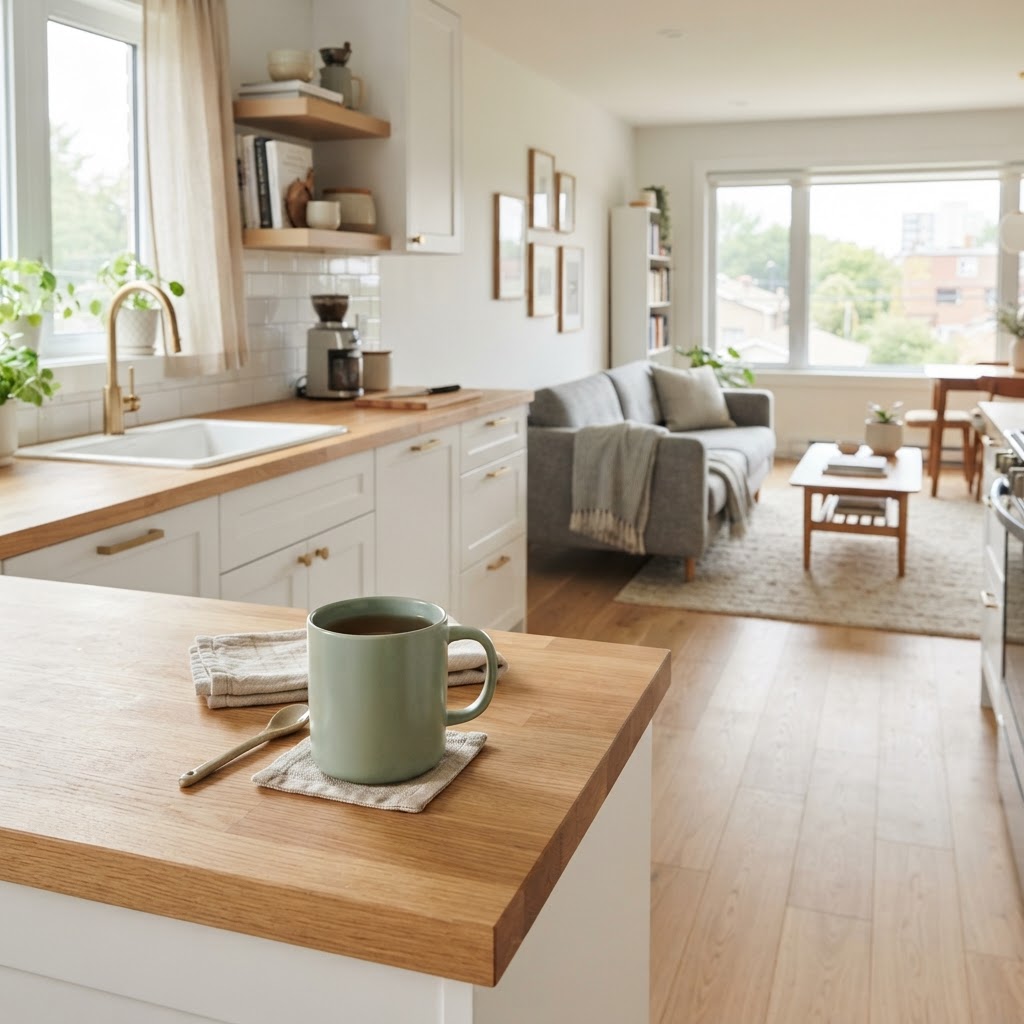
Ontario rental rules for a room in your own home
The practical question is not whether someone pays rent, but whether the living arrangement is covered by Ontario’s tenancy legislation. Review the broader Ontario rental rules before advertising, then assess the actual facilities the homeowner and renter will use. A separate bedroom does not by itself create an RTA tenancy when the owner shares the kitchen or bathroom.
When the Residential Tenancies Act applies
The Residential Tenancies Act may apply to most rental units, while sharing a kitchen or bathroom with the owner or the owner’s immediate family can place an arrangement outside the Act. Where it applies, the statutory rules govern deposits, rent increases, notices, and the Landlord and Tenant Board process.
Shared kitchen: Owner-shared kitchens can place the arrangement outside the RTA.
Shared bathroom: Owner-shared bathrooms can create the same exemption.
Separate facilities: Exclusive kitchen and bathroom use may trigger RTA coverage.
Written terms: Clear house rules reduce uncertainty in exempt arrangements.
Human rights: Screening and conduct must still respect applicable protections.
What changes when the arrangement is exempt
An exempt room-rental arrangement is a contractual relationship rather than a standard RTA tenancy. The homeowner should state how much notice either party must give, what happens after missed rent, which areas are shared, and whether guests, pets, parking, laundry, smoking, or quiet hours are permitted. The Ontario Human Rights Code still matters: rental housing and human rights rules prohibit discriminatory treatment and reprisals for exercising protected rights.
Set up the room rental agreement before collecting rent
A written agreement is the operating manual for a shared home. It should identify the parties, room, rent due date, payment method, included utilities, shared spaces, entry expectations, notice process, and move-out responsibilities. Reviewing Ontario room rental rules alongside the agreement helps separate household rules from legal obligations.
Terms that prevent the most common disputes
Start with precise, observable terms instead of broad promises to be respectful. A clause stating that the renter may use the kitchen after certain household routines, for example, is clearer than saying kitchen access is available “when reasonable.” A legal lease requirements review can help both sides ensure that the document records the actual arrangement rather than copying terms that do not fit a shared home.
If the RTA applies, the landlord must provide a signed copy of a written lease within 21 days after the tenant signs it, according to the Guide to the RTA. Where the RTA applies and rent is paid monthly, a rent deposit cannot exceed one month’s rent; for weekly rent, it cannot exceed one week’s rent.
RTA deadlines and rent rules
For an RTA-covered tenancy, rent generally cannot be increased until at least 12 months after the tenant moved in. In most cases, at least 12 months must also have passed since the tenant's last rent increase. A tenant who signs an agreement to a rent increase has five days to change their mind and tell the landlord in writing that they no longer agree, according to the Guide to the RTA. These RTA rules do not automatically set the terms of an owner-shared room arrangement that is exempt from the Act, so homeowners should write any rent-review process clearly into the agreement.
Compare RTA tenancies with shared-home agreements
The table below separates the two models homeowners most often confuse. The deciding factor is the real living arrangement, not the label used in the agreement.
Issue | RTA-covered tenancy | Owner-shared room arrangement |
|---|---|---|
Kitchen or bathroom | Tenant does not share with owner or immediate family | Renter shares with owner or immediate family |
Dispute route | Landlord and Tenant Board process may apply | Agreement and general legal remedies govern disputes |
Written lease copy | Due within 21 days after signing | Still advisable, with mutually agreed terms |
Rent deposit | Monthly rent: no more than one month | Spell out any deposit terms carefully in writing |
Rent increase timing | Usually not before 12 months | Set review and increase terms in the agreement |
The strongest protection in a shared-home arrangement is not an assumed eviction shortcut. It is a signed agreement with a workable notice clause, records of communications, and a payment history that both parties can verify.
Payments, receipts, and safety obligations
Rent collection should be traceable from the first payment. Whether parties use a bank transfer, cheque, or a rent payment app available in Canada, they should agree on the due date, reference information, receipt process, and what counts as payment received. This reduces confusion when money is sent near a weekend, holiday, or banking delay.
Choose a payment method that creates a record
The best way to pay rent in Canada is a method both parties can confirm without relying on memory, screenshots, or cash handoffs. TenantPay lets tenants pay using Visa, Mastercard, debit cards, or cryptocurrency without landlord participation, while auto-generated receipts help document each payment. For homeowners who want fewer manual follow-ups, a rental agreement template can state the chosen method and receipt expectations before the first due date.
For tenants paying rent online in Ontario, these platforms can also add practical value beyond a transfer confirmation. TenantPay offers autopay, smart reminders, tax-ready payment summaries, and free monthly rent reporting to Equifax when autopay is enabled, which may support efforts to build credit by paying rent. It is not necessary to turn a room rental into a complicated payment operation, but a consistent record can prevent disagreement over whether rent was sent, received, or late.
Check safety and property requirements before move-in
Before move-in, homeowners should confirm which local rules apply to the property and occupancy. Municipal zoning and property-standards by-laws may apply, a business licence may be required, and building requirements can differ by occupancy type. The City of Barrie notes that Ontario homes must have working smoke alarms on every storey and outside sleeping areas, and that strengthened carbon-monoxide-alarm rules took effect on January 1, 2026. Put practical safety responsibilities in the agreement, including how occupants will report a smoke-alarm problem or other concern promptly.
Keep the room and home safe
Homeowners remain responsible for maintaining safe living conditions and should confirm municipal zoning, property standards, licensing, and fire-safety requirements before bringing in a renter. Ontario homes must have working smoke alarms on every storey and outside sleeping areas, while landlords provide the alarms and tenants must maintain them and report problems, according to working smoke alarm requirements. Local requirements may vary, so homeowners should confirm applicable municipal and fire-code obligations before move-in.
Practical checklist for an owner-shared room rental
Use this checklist before advertising a room or accepting the first payment:
Confirm whether the renter shares a kitchen or bathroom with the homeowner's immediate family.
Describe the room, shared spaces, utilities, parking, and laundry access in writing.
Record expectations for guests, smoking, pets, and quiet hours.
Set the rent due date, payment method, payment reference, and receipt process.
State the steps for a failed or delayed payment.
State the notice process and move-out responsibilities.
Do not assume the Landlord and Tenant Board process applies.
For an RTA-covered tenancy, provide a written lease copy within 21 days after signing.
Check applicable municipal zoning, property standards, licensing, and fire-safety obligations before move-in.
Make sure working smoke alarms are on every storey and outside sleeping areas.
Agree that tenants will report any smoke-alarm problem.
Keep signed agreements, notices, payment records, receipts, and written communications in an accessible file.
Conclusion
Renting a room in an owner-occupied Ontario home starts with one factual test: will the renter share a kitchen or bathroom with the owner or the owner’s immediate family? If so, the arrangement may sit outside the RTA, making written notice terms, practical house rules, and reliable records essential. Use a tailored agreement, verify municipal safety requirements, and keep every payment documented. For tenants seeking tracked payments, receipts, autopay, and rent reporting, TenantPay provides a payment option designed for rent without requiring landlord participation.
Set up clear room-rental payments from the start. TenantPay can help for tracked rent transfers and payment records.
Frequently Asked Questions (FAQs)
What are the rules for renting a room in your house in Ontario?
The rules for renting a room in your house in Ontario depend primarily on shared facilities, because sharing a kitchen or bathroom with the homeowner or immediate family can exempt the arrangement from the RTA while leaving contract terms, human-rights protections, and municipal safety standards relevant.
Do I need a lease to rent out a room in my house in Ontario?
You do not always need a lease to rent out a room in your house in Ontario, but a written agreement is the practical safeguard because it records rent, shared-space access, notice expectations, payment method, and the consequences of a breach.
How to pay rent online in Canada?
To pay rent online in Canada, use a traceable method that confirms payment status and preserves receipts, then ensure the homeowner and renter agree in writing on the due date, payment reference, and how they will address a failed or delayed transfer.
Is paying rent online secure?
Paying rent online can be secure when the service uses appropriate payment-security controls and the renter verifies the recipient, avoids sharing account credentials, retains receipts, and reviews transaction status rather than treating a sent payment as automatically received.
Can I pay my rent with a credit card?
You can pay rent with a credit card when the payment provider accepts card-funded rent transfers, and TenantPay supports Visa and Mastercard payments without requiring the landlord to participate directly in the platform.
Does paying rent help build credit?
Paying rent can help build credit when payments are reported to a credit bureau, and TenantPay allows tenants who enable autopay to report monthly rent payments to Equifax for free, subject to the platform’s reporting process.
About the Author
Amyn Diamond Murji is a Rent, Housing & Property Data Writer with expertise in credit bureau mechanics, rent reporting, tenant rights, and property-management workflows. As Chairman of Uno Investments Inc. and CEO of TenantPay, he focuses on the payment records and housing rules that affect renters, homeowners, and property managers.