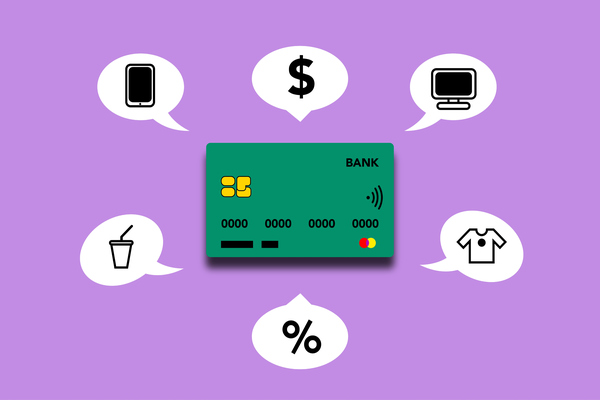

Quick Answer: Referral rewards are changing rent payment culture in Canada by giving tenants a reason to choose a payment method that does more than move money. When a rent platform offers points for payments and referrals, a fixed monthly bill can support everyday spending, credit habits, and word-of-mouth recommendations.
This article looks at referral culture in renting; to find your rent rewards referral code and how the program pays out, see our referral guide.
Referral rewards matter because rent is often the largest bill in a household budget, yet e-transfers, cheques, and pre-authorized withdrawals usually give nothing back. Canadian renters are paying closer attention to every recurring expense as rental market conditions continue to shape affordability decisions. Referral rewards give both the existing user and the person they invite a practical reason to try a different payment experience. The appeal is not a shortcut around rent costs, it is getting more value from a payment that must happen anyway.
Key Takeaways:
- Referral rewards turn tenant recommendations into a shared financial benefit.
- Points, receipts, and payment tracking add value beyond a standard e-transfer.
- Rewards work best when tenants understand the rules and pay rent responsibly.
Why Rent Payments Are Becoming a Tenant Experience
Rent used to be treated as a simple obligation: send the money, keep the confirmation, repeat next month. A growing referral economy in rent changes that expectation by making convenience, proof of payment, and rewards part of the decision. This shift is especially relevant for newcomers, young renters, and future homebuyers who want each payment to support a broader financial routine.
Why referral rewards feel useful to renters
Referral rewards work because they recognize a behaviour tenants already practice: asking friends which services are easy to use and trustworthy. A refer a friend rent program typically gives a tenant a personal referral link or code, then awards benefits after the invited person completes the required sign-up and payment activity. For more on this, see How the TenantPay Referral Program Actually Works.
- Shared value: The referrer and new user can both receive a benefit rather than one person carrying all the value.
- Low-friction sharing: Referral codes for apartment tenants are easy to send in a message when rent conversations come up.
- Practical rewards: Points can support purchases tenants already make with participating brands.
- Trust signal: A recommendation from another renter can feel more credible than a generic advertisement.
Why timing matters in the Canadian rental market
Renters do not need more complicated financial chores. They need tools that fit an existing routine, especially when rental supply growth and local availability can vary widely from one city to another. Rent payment perks for tenants can be meaningful when they come alongside clear payment status, reminders, and receipts, not as a distraction from making rent on time.
How Points and Referrals Change Payment Decisions
A rewards model does not make rent optional or reduce what the lease requires. It changes which payment rail a tenant chooses by attaching useful benefits to reliable payment behaviour. That is why gamified rent rewards are gaining attention: they make a repetitive task easier to notice, complete, and value.
What a tenant-first rewards system can include
With TenantPay, renters can pay by Visa, Mastercard, debit card, or cryptocurrency without requiring landlord participation. The platform provides real-time transfer tracking, reminders, autopay, receipts, and tax-ready payment summaries, while eligible tenants can enable rent reporting to Equifax through autopay at no cost. Those are operational tools, not promises of a specific credit-score outcome, because credit files respond differently to each person's history and overall borrowing behaviour.
The TenantPay Points guide helps explain the central idea: users earn points on payments and can redeem them across more than 115 brands, including Amazon, Airbnb, Nike, Starbucks, and Air Canada. Paying early can unlock additional points, and cardholders may still earn the points offered by their own card issuer. That combination is what makes rent payment rewards for Canadian tenants feel less like a promotion and more like a recurring financial habit with a visible return.
Traditional methods versus reward-based payment tools
The practical difference is not that one method pays less rent than another. It is whether the payment method gives you visibility, documentation, and rewards while you complete the same obligation.
| Payment approach | Typical tenant benefit | Referral potential | Payment visibility |
|---|---|---|---|
| E-transfer | Familiar and direct | Usually none | Depends on saved confirmations |
| Cheque | Works for paper-based processes | Usually none | Requires manual record-keeping |
| Pre-authorized payment | Automatic scheduling | Usually none | Depends on provider records |
| Reward-based rent platform | Points, receipts, reminders, and tracking | Can support tenant referral bonuses Canada | Designed for transfer status visibility |
For tenants comparing TenantPay vs traditional rent payment methods, the clearest tradeoff is simple: traditional methods may be familiar, while a reward-based platform adds features that make the payment easier to document and potentially more valuable.
Why Loyalty Works When the Benefit Is Clear
Tenant loyalty programs succeed when the value is easy to understand and the terms are easy to follow. Renters should be able to see how points are earned, when a referral qualifies, and where rewards can be redeemed before deciding whether a service fits their budget and payment habits.
Referrals reduce friction for tenants and platforms
A referral is more than a marketing channel when it helps a renter avoid trial and error. Someone moving into a new apartment may ask how to keep rent organized, build a consistent payment record, or avoid chasing a landlord for receipt confirmation. A friend's recommendation gives that person a starting point, while the platform gains a user through an existing relationship rather than relying only on paid advertising.
This is also why a rent loyalty program should reward routine use, not pressure tenants into spending beyond their means. The useful behaviour is paying the rent you already owe accurately and on schedule. Referral rewards should remain a secondary benefit, never a reason to use a payment method that creates avoidable debt or fees.
What tenants should check before sharing a referral
Read the referral terms before sending a code, including eligibility, qualifying actions, point timing, redemption rules, and any payment costs. Renters should also compare the full payment experience, since average asking rents differ by city and even small recurring charges deserve attention. The best rent payment apps with reward programs make the value clear without hiding the basics behind a rewards message. You can find more detail in The Rent Reward: Win Free Rent with TenantPay.
Conclusion
Referral rewards are helping Canadian renters see rent payment as more than a monthly transfer. The strongest programs pair points and referrals with reliable essentials such as payment tracking, receipts, reminders, and responsible autopay. TenantPay shows how a tenant-first payment option can connect those basics with brand redemptions and rent reporting tools without requiring landlord participation. Choose a method based on total cost, payment reliability, and whether the rewards fit spending you already plan to do.
Want a rent payment routine with more visibility and value? Explore TenantPay and review the payment options that fit your rental setup.
Frequently Asked Questions (FAQs)
Is there a referral program for TenantPay?
TenantPay offers a points-based rewards experience for eligible rent payments, and tenants should review the current in-app terms because eligibility, qualifying steps, and reward timing can change.
How do I refer a friend to a rental payment service?
To refer a friend to a rental payment service, share the personal referral link or code provided by the platform and ensure your friend completes the listed qualifying actions.
How can I earn rewards for paying rent?
You can earn rewards for paying rent by using a platform that awards points for eligible rent payments, then redeeming those points according to its available reward catalogue and terms.
Do rent payment apps offer referral bonuses?
Some rent payment apps offer referral bonuses, but the reward often depends on the new user completing an eligible registration or payment rather than simply receiving a referral code.
Can I earn points when I pay rent?
You can earn points when you pay rent through a participating reward-based payment service, while any points from your credit card remain subject to the card issuer's own program rules.
How to pay rent in Toronto with rewards?
To pay rent in Toronto with rewards, choose a service that supports your payment method and landlord arrangement, then confirm its fees, payment timing, rewards rules, and receipt process before enrolling.