Sign Up Here – New Tenants
Login Here – Existing Tenants
Sign Up Here – New Landlords
Login Here – Existing Landlords



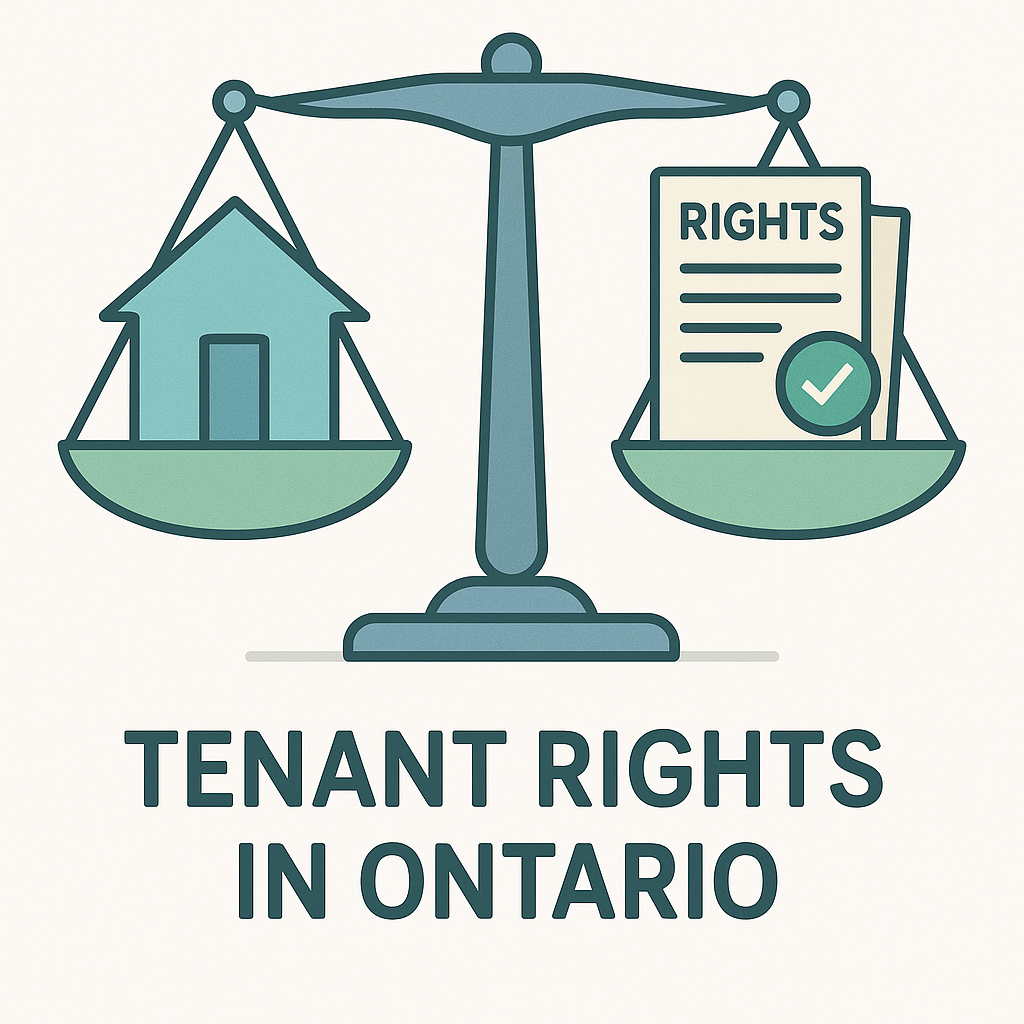
As a renter in Ontario, understanding your tenant rights under the Residential Tenancies Act (RTA) is essential for protecting yourself from unfair practices and ensuring safe housing. Navigating the rental market requires a firm grasp of your protections, especially with recent changes like the 2026 rent increase guideline of 2.1% and the reforms introduced in Bill 60. This guide provides comprehensive knowledge of renters rights, landlord tenant law, and legal tenant rights, empowering you to advocate for yourself effectively in an evolving landscape. Solutions like TenantPay are also becoming crucial tools for both landlords and tenants to manage payments seamlessly and maintain compliance.
Understanding tenant rights in Ontario is essential for anyone renting a home in today’s competitive housing market. With rising rents, tighter supply, and evolving regulations, knowing what landlords can and cannot do helps tenants protect themselves, avoid illegal practices, and maintain stable housing. Ontario’s rental system is built on clear legal rules that aim to balance fairness, safety, and accountability for both tenants and landlords.
In 2026, tenant protections are more important than ever. From rent increase limits and privacy rules to maintenance standards and eviction procedures, Ontario law provides renters with strong safeguards when they understand how to use them. This guide breaks down tenant rights in Ontario, explains how landlord tenant laws work in practice, and outlines the responsibilities landlords must meet so tenants can confidently navigate their rental relationships and enforce their rights when necessary.
In Ontario, tenant rights are the bedrock of fair rental housing, primarily governed by the Residential Tenancies Act (RTA), which applies to the vast majority of residential rental agreements. These rights are designed to guarantee access to safe, habitable living conditions, offer protection from sudden and excessive rent increases, and provide strong safeguards against unlawful evictions. For example, every tenant has the right to a home that is free from serious structural or safety defects, and essential services such as heat, water, and electricity must be consistently provided.
A landlord cannot enter your private unit without giving at least 24 hours' written notice for a valid reason, like conducting an inspection or making necessary repairs, which preserves your privacy. It’s important to remember that these legal tenant rights remain fully intact even if your formal lease expires or if you are renting without a written agreement, as the RTA’s protections extend to all tenants covered under its jurisdiction.
Within the framework of tenant law Ontario, these rights create a necessary balance between renter and landlord rights by establishing clear boundaries and responsibilities for both parties. Tenants benefit significantly from provincial rent control mechanisms, which cap the annual rent increase guideline: for 2026, this cap is set at 2.1%. This measure ensures that housing costs remain predictable and affordable for tenants in most existing rental units, as landlords cannot exceed this cap without obtaining specific approval from the Landlord and Tenant Board (LTB). Furthermore, Ontario tenant rights empower renters to formally challenge maintenance neglect.
If a landlord fails to address critical issues like broken plumbing, a malfunctioning heating system, or pest infestations, tenants can file an application with the LTB, which may result in remedies like a rent abatement or a legally binding order for repairs. Understanding these rights is the first step toward demanding accountability and fostering a stable, secure tenancy.
Landlord tenant laws in Ontario are administered through the highly structured framework of the RTA and are enforced by the LTB, the specialized tribunal responsible for resolving disputes related to rent, evictions, and property maintenance. These laws clearly define the landlord tenant rights and responsibilities, placing a legal obligation on landlords to maintain their properties in a good state of repair while complying with all applicable health, safety, housing, and maintenance standards.
For tenants, this robust legal structure means that protections are automatically in place the moment they sign a lease or even begin a tenancy through a verbal agreement: coverage under the RTA is not contingent on having a written contract. The LTB serves as a neutral forum for resolving conflicts, and recent legislative updates have aimed to streamline its processes for greater efficiency without compromising the core safeguards that protect tenants.
The operational mechanics of this system revolve around formal notices and hearings. For instance, a landlord must use specific LTB forms, such as an N4 for non-payment of rent or an N5 for disturbances, but tenants have the right to contest these notices. The tenant law framework ensures due process is followed, mandating proper notice periods before any significant changes can be made to the tenancy.
In practice, this creates a reciprocal system where rental law holds both parties accountable: tenants are expected to pay rent online or via other methods on time, while landlords must uphold their duty to provide a habitable and safe living environment. Recent legislative shifts, including Bill 60, have accelerated certain timelines to address hearing backlogs, but the essential principles remain.
This highlights how landlord tenant law continues to evolve to balance efficiency with the fundamental protection for tenants. Renters navigating this system should always maintain meticulous records of all communications and transactions, as strong evidence is crucial for substantiating any claims brought before the LTB.
Your rights as a tenant in Ontario are robust and multifaceted, focusing on habitability, fairness, and security. First and foremost, you are entitled to a safe and clean unit with all essential systems in good working order. Landlords are legally obligated to address and repair any issues promptly.
If they fail to do so, you may have recourse through the LTB, but it is critical to know that you cannot unilaterally withhold rent without the Board's approval. Your privacy is also a paramount right: landlords cannot enter your unit without a valid reason and proper notice. Additionally, your rights as a renter include the right to sublet or assign your unit, and while you need the landlord’s consent, they cannot unreasonably deny your request. Rent stability is another cornerstone of your rights, with the 2026 guideline limiting annual increases to 2.1% after a 90-day written notice, and this can only be applied once in any 12-month period.
Furthermore, to know your rights as a tenant is to understand the anti-discrimination protections afforded under human rights legislation, which prohibit landlords from refusing tenancy based on family status, income source, or other protected grounds. Powerful eviction safeguards make illegal actions like changing the locks or shutting off utilities criminal offenses.
Even after a lease expires, your rights as a tenant are preserved as the tenancy automatically converts to a month-to-month agreement unless proper notice to terminate is given by either party. In cities like Toronto, tenant rights in Toronto align with these provincial standards, with a strong emphasis on the right to quiet enjoyment, free from any form of harassment. These comprehensive renter tenant laws are designed to ensure stability and security for renters, which is particularly vital in today's competitive housing market.
These rights work best when you keep detailed records, use the proper LTB forms, and escalate issues promptly, ensuring that tenant protection laws can be applied effectively to your situation.
Landlord responsibilities under Ontario's landlord tenant law are clearly defined and legally enforceable, requiring them to provide and maintain a habitable environment from the very first day of a tenancy. They are obligated to ensure that all building systems, including plumbing, electrical, and heating (which must be maintained at a minimum of 21°C during the daytime in winter), are in good working order.
Urgent repairs must be addressed within a few days. The scope of what are landlord responsibilities also extends to keeping all common areas clean and ensuring the entire property complies with fire codes and other safety standards, as non-compliance can lead to LTB orders or significant fines. Landlords are also prohibited from interfering with or withdrawing vital services and amenities, such as elevators or laundry facilities, without providing adequate compensation to affected tenants.
From a financial and administrative perspective, landlords must set legal rent amounts, provide official rent receipts upon request within 30 days, and adhere strictly to the renters rights and responsibilities by issuing all notices in the proper format and within the legally required timeframes.
Even with recent changes like Bill 60 aiming for more efficiency, core duties such as providing 24-hours' written notice before entry remain unchanged. Crucially, landlord responsibilities to tenants also include a commitment to non-discrimination in the tenant selection process and to engage in honest dealings throughout the tenancy. This means no hidden fees, retaliatory evictions for filing complaints, or other unfair practices. Any breach of these duties allows tenants to apply to the LTB for various remedies, reinforcing the balanced nature of landlord and tenant responsibilities.
Recent legislative and procedural updates have reshaped timelines without dismantling core protections, while tenants continue to carry important day-to-day obligations and have multiple avenues for support when disputes arise.
New tenant laws introduced through Bill 60, with effects extending into 2026, primarily reshape the eviction dynamics without fundamentally stripping away core protections. When asking what are new tenant laws, the main changes relate to accelerating the process for non-payment of rent. Landlords can now issue an N4 notice after just 7 days of non-payment and file for a hearing sooner.
At these hearings, tenants wishing to raise a maintenance defense must now pay 50% of the alleged arrears. Additionally, personal-use evictions (N12 notices) now offer landlords more flexibility, with options for either 60 days' notice with compensation or 120 days' notice without it, streamlining the process for genuine cases. The appeal window for LTB decisions has also been shortened to 15 days to reduce protracted disputes.
So, is landlord tenant law changing? Yes, but the new laws for renters are designed to preserve the essential foundations of tenant rights, including the right to safe housing, privacy, and protection from illegal fees. The new tenant laws pros and cons reflect a trade-off between efficiency and tenant burdens: the primary pro is faster LTB scheduling for everyone, but a major con is the increased pressure on renters who have fallen behind on payments.
Despite these changes, overarching tenant protection laws and residential rights for tenants (even those without a formal lease) remain firmly in place. These updates primarily aim to address systemic backlogs and improve efficiency, striking a new balance in the landscape of landlords and tenants rights and responsibilities.
These changes emphasize timely action and documentation; understanding notice types, deadlines, and evidence standards will help you navigate the LTB process while asserting your Ontario tenant rights.
Tenant responsibilities are the other side of the coin, mirroring landlord duties to ensure a relationship of mutual respect under the framework of tenants rights and responsibilities. The most fundamental responsibility is to pay rent in full and on time. Additionally, tenants are expected to keep their unit reasonably clean, avoid causing any intentional or negligent damage, and promptly report any maintenance issues to the landlord.
You should not make any alterations to the property without first obtaining the landlord's consent. Understanding what tenant responsibilities are there also includes the duty to not disturb the peace and quiet enjoyment of your neighbors, comply with any applicable condo or building bylaws, and ensure you vacate the property correctly when your tenancy ends. Failing to meet these obligations can lead to eviction notices, such as an N5 for interference with others' lawful rights or an N7 for causing undue damage, so cooperation is key.
The principles of renters rights and responsibilities, including seeking approval for subtenants and adhering to pet clauses, are designed to prevent abuses and promote sustainable, positive tenancies for everyone involved, aligning with broader Canada tenant responsibilities.
When you're facing a dispute with your landlord, knowing where to turn for tenant legal help is critical. Your first stop can be the LTB's free services or their dedicated tenants helpline at 1-888-332-3234, which offers general advice and information. If you need more direct support, the question of how to find a tenants advocate can often be answered by reaching out to community legal clinics.
Organizations like the Federation of Metro Tenants' Associations in Toronto or other local advocacy groups provide invaluable support. The reason why tenants need legal help often arises from complex situations like evictions or significant repair disputes, where a professional can help you navigate the intricacies of lease law. An experienced tenant rights advocate can make all the difference.
Learning how to advocate for tenants rights effectively involves meticulously documenting all interactions, gathering evidence such as photos and emails, and correctly filing the appropriate T-forms with the LTB. Amid the complexities of recent changes from Bill 60, having a tenants advocate who can offer free representation is more important than ever to ensure your housing rights for tenants are fully enforced.
Mastering your tenant rights in Ontario is the key to thriving as a renter, especially with recent legislative changes from Bill 60 and the new 2.1% rent increase cap for 2026. By staying informed, documenting all communication diligently, and knowing how to leverage the resources available through the LTB, you can ensure an empowered and secure renting experience. Using modern tools can further support a compliant and stress-free tenancy. For instance, platforms like TenantPay help streamline rent payments, which can reduce the risk of arrears and support a positive landlord-tenant relationship.
Stay informed and protect your rental rights.
Keep clear records of your rent payments and tenancy details with secure, digital tools like TenantPay.
Tenant rights in Ontario encompass the right to a safe and well-maintained home, privacy from unwarranted landlord entry, protection from illegal evictions, and adherence to the annual rent increase guideline, which is set at 2.1% for 2026. These rights are legally mandated by the Residential Tenancies Act and apply to most rental situations, even without a written lease.
To learn about your tenant rights, you can review the official Residential Tenancies Act on the ontario.ca website, contact the Landlord and Tenant Board's helpline for free advice, or consult the informational guides and brochures provided by the LTB. These resources offer clear, detailed breakdowns of all your legal tenant rights.
As a tenant, your rights include living in a habitable unit that meets all health and safety standards, receiving a minimum of 24 hours' written notice before your landlord enters your unit, being protected from illegal lockouts or utility shut-offs, and having the ability to challenge any rent increase that exceeds the 2.1% guideline by filing an application with the LTB.
Tenant law primarily refers to Ontario's Residential Tenancies Act (RTA), which is the legislation that governs all aspects of landlord tenant law, including rules about maintenance, evictions, rent increases, and dispute resolution. This law is enforced by the Landlord and Tenant Board (LTB).
No, a tenant cannot unilaterally refuse to pay rent, even if the landlord is failing to meet their maintenance obligations. Withholding rent without an official order from the LTB is risky. Under the new Bill 60 rules, tenants involved in arrears hearings who wish to raise maintenance issues must first pay 50% of the owed amount.
Yes, landlord tenant law is changing. The recent introduction of Bill 60 has led to faster eviction processes (e.g., a 7-day N4 notice period) and a shorter 15-day window for appeals. However, the core tenant protection laws regarding habitability and rent control remain in place.
A tenant may need legal help to navigate complex disputes, such as wrongful eviction notices, unresolved maintenance issues, or illegal charges. Legal experts and tenant advocates from community clinics can provide crucial advice and representation to ensure a fair outcome at the LTB.
To find a tenants advocate, you can search for local community legal aid clinics or specialized tenant associations online. These organizations often provide free legal support and advocacy services for renters who need help protecting their rights.
Renters rights are fundamentally the same as tenant rights. They include the right to a safe and secure home, privacy, fair rent practices with established caps on increases, and access to a legal process for resolving disputes with a landlord. These are vital for upholding Ontario tenant rights.
Landlord tenant laws function through a system of formal notices, applications to the LTB, and hearings where both parties can present their case. The laws create a framework of mutual duties, balancing a landlord's right to manage their property with robust safeguards that protect tenants from unfair practices.