Sign Up Here – New Tenants
Login Here – Existing Tenants
Sign Up Here – New Landlords
Login Here – Existing Landlords



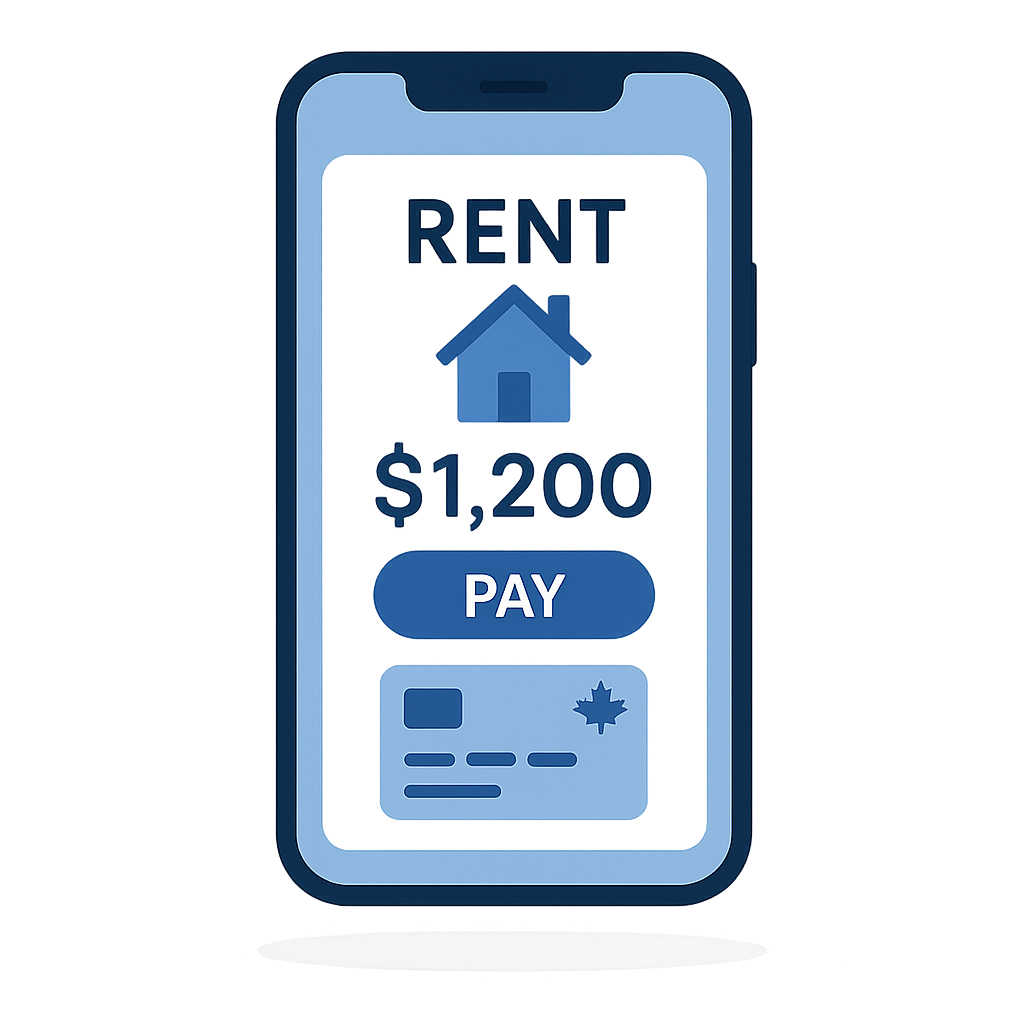
Paying rent has evolved dramatically over the past few years, and Canadian tenants now have more options than ever to manage their monthly housing payments. Gone are the days when a cheque or cash handoff was your only choice. Today, the rent payment app has transformed how renters interact with their landlords, offering convenience, security, and financial flexibility that traditional methods simply cannot match. Whether you're looking for speed, cost-effectiveness, credit-building opportunities, or the ability to split rent payments across multiple pay periods, the best rent app for your situation depends on your unique priorities and how your landlord prefers to receive funds. The rental landscape in Canada continues to shift toward digital solutions, and choosing the right platform has become an essential part of managing your finances responsibly. This guide walks you through the top rent payment apps available to Canadian tenants in 2026, comparing how they work, what features matter most, and which solutions align with different tenant priorities.
Rent payment apps are becoming an essential part of renting in Canada. These tools give tenants a simple and secure way to make monthly payments while removing the uncertainty and manual work that come with traditional methods. Instead of relying on cheques or one-off transfers, these apps allow you to choose how you want to pay, whether through Interac e Transfer, pre authorized debit, debit card, or credit card. They also create automatic records, send confirmations, and help you stay organized throughout your lease.
For many Canadians, rent is the largest monthly expense. A good rent payment app makes this payment predictable and stress free by offering automation, reminders, split payments for roommates, and secure storage of your financial information. These platforms also support clear communication between tenants and landlords, and some even allow you to build credit through on time payments. By understanding how rent payment apps work and what features matter most, you can choose a solution that fits your budget, your cash flow, and your lifestyle.
Rent payment apps serve as intermediaries between tenants and landlords, streamlining the entire transaction process while adding layers of security, documentation, and convenience that manual payments lack. These applications connect directly to your bank account or allow you to use alternative funding sources like debit or credit cards, then deliver funds to your landlord through their preferred method. The beauty of modern rent apps is that they handle the complexity behind the scenes, whether your landlord uses a building portal, accepts direct bank transfers, or prefers a more traditional payment arrangement.
At their core, these apps solve a fundamental problem: how to make recurring payments simple, trackable, and secure while accommodating the diverse preferences of landlords and property managers. When you use a rent app, you're gaining access to several interconnected services, including payment processing, documentation and record-keeping for dispute protection, and convenience features like autopay and payment splitting. The most effective platforms build upon familiar Canadian banking habits, such as Interac e-Transfer, and integrate seamlessly with how users already manage their money, while adding value beyond what traditional banking offers.
The shift toward rent payment apps reflects broader changes in how financial transactions work across Canada. Tenants benefit from using these platforms because they introduce accountability and clarity into what is often the largest monthly expense in a household budget. When you pay rent through an app, you receive instant confirmation, automatic receipts, and a searchable transaction history. This digital trail becomes invaluable if you ever need to prove timely payment, dispute a late fee, or document your housing costs for tax or legal purposes, reinforcing your Canadian tenant rights.
Beyond documentation, rent apps address a practical challenge that many Canadian tenants face: cash flow timing. Rent is typically due on the first of the month, but your paycheck might arrive later. Traditional payment methods offer no flexibility, but newer apps enable split payments that allow you to break your monthly rent into smaller installments aligned with your paychecks. This powerful feature reduces financial stress and helps tenants avoid overdraft fees or short-term debt just to cover housing costs.
Rent payment apps also unlock a surprising financial benefit: credit building. When you pay rent through certain platforms, your on-time payments can be reported to Canadian credit bureaus, effectively converting your largest monthly expense into an asset that strengthens your credit score. For tenants working to establish or rebuild credit, this turns rent into a tool for financial improvement. From a landlord's perspective, which indirectly benefits tenants, rent apps reduce friction in the collection process. When landlords can automate rent collection, set up reminders, and access clear payment records, they're less likely to chase tenants for payments or create friction around payment timing. This mutual benefit creates a healthier rental relationship overall, making it a win-win for both parties involved in the rental agreement.
Canadian renters have several core payment methods available through apps, and understanding which works best for your situation is central to choosing the right platform. Each method has distinct characteristics regarding speed, cost, security, and compatibility with different landlord setups. Familiarity with these options will help you make an informed decision that aligns with your financial habits and your landlord's requirements.
Taken together, these options balance speed, cost, and acceptance; choose the method that aligns with your landlord’s setup and your cash-flow needs.
When comparing rent payment apps available to Canadian tenants, several features distinguish genuinely useful platforms from ones that simply move money around. These features directly impact your experience and determine whether an app saves you time and stress or adds unnecessary complexity. A great app for rent payment should do more than just process transactions; it should enhance your financial well-being and simplify your rental life.
Focus on features you’ll use every month, automation, flexibility, documentation, and protection, so your rent flow is reliable and low-stress.
Several platforms have emerged as leaders in the Canadian rent payment space, each with distinct strengths. TenantPay, alongside other solutions like Rent App and Zenbase, stands out as a comprehensive solution offering security, automation, and transparent tracking. It supports multiple payment methods, including Interac e-Transfer, debit, and credit cards, and is particularly adept at handling multi-tenant situations by allowing roommates to split rent with automatic audit trails. Rent App and Zenbase excel at solving cash flow challenges with their split payment features and offer free credit reporting with autopay, turning rent payments into a credit-building asset.
Their user-friendly interfaces make them accessible even for those new to financial tech. In a different category, platforms like Buildium and RentRedi are all-in-one management systems for both landlords and tenants. While primarily designed as property management software, they include robust rent collection features. If your landlord uses one of these systems, paying through their portal is often the most straightforward option, though they may lack tenant-focused features like payment splitting that specialized apps provide.
Understanding how the main rent payment options stack up helps you choose the right fit for your lease and cash flow. Interac e-Transfer is typically the lowest-cost option, with transfers being free or costing only a nominal fee through most Canadian banks. The trade-off is that some landlords may need to manually accept the payment, which can cause minor delays. Pre-authorized debit services often involve flat monthly fees, which can be economical for higher rent payments but less efficient for lower amounts. Card-enabled payments, while offering the most convenience and the potential for rewards, come with a percentage-based fee that can add up over the year.
When comparing overall speed, e-Transfer and debit card payments often settle the fastest, providing real-time or near-instant confirmation, whereas PAD and credit card payments might take one to three business days to fully process through different payment rails. Your choice will ultimately depend on whether you prioritize low cost, hands-off automation, or payment flexibility.
Getting started with a rent payment app is typically straightforward. The process begins with downloading the app, creating an account with your email, and setting a secure password. Most platforms will require identity verification and ask you to add your financial information, such as your bank account for e-Transfer or PAD, or your card details. This data is protected with encryption for your security. Next, you'll add your landlord's information, either by searching for their existing account or by manually entering their payment details. Some apps may generate a unique code to route payments through your landlord’s building portal.
After that, you’ll configure your rent payment schedule by specifying the amount, due date, and preferred payment method. This is where you can enable autopay for automated transactions or set up split payments if the feature is available. Finally, it’s a good idea to set up notifications to receive alerts for payment confirmations and receipt generation, giving you peace of mind that everything is processed on schedule.
Choosing the best rent payment app for your situation ultimately comes down to matching your priorities: whether that's minimizing fees, managing cash flow, building credit, or simplifying payments with roommates, to the features each platform offers. Canadian tenants in 2026 have genuine choices that go well beyond simply moving money from one account to another. The most effective rent apps recognize the financial pressures tenants face and provide tools that address real challenges while maintaining the security, transparency, and compliance that protect both renters and landlords. By understanding how different payment methods compare and which platforms excel in which areas, you can select a rental app that transforms a monthly obligation into a streamlined, confidence-building financial process.
Pay your rent the easy way with TenantPay today.
Rent payment apps give Canadian tenants more control, more flexibility, and more confidence when managing their housing costs. These platforms are secure, easy to use, and designed to match real life financial needs, from split payments to clear documentation and fast confirmations. By choosing an app that fits your priorities and aligns with your landlord’s system, you can simplify rent day and avoid the stress that comes with manual payments or inconsistent methods. As digital payments continue to grow across Canada, using a reliable rent payment app is one of the easiest ways to stay organized and protect yourself financially throughout your rental journey.
The "best" app depends on your priorities. If you value split payments and credit building, Rent App or Zenbase are excellent choices. If you want comprehensive payment flexibility and multi-tenant support, TenantPay offers an all-in-one solution. If your landlord uses a specific property management platform, that platform's built-in rent payment feature may be most convenient.
Yes, most rent apps work regardless of your landlord's preferred payment method because they convert your card payment into the landlord's preferred format, often Interac e-Transfer or direct deposit, before funds reach the landlord. This feature bridges the gap between tenant convenience and landlord requirements.
Legitimate rent payment apps use encryption, comply with PCI DSS security standards, and follow Canadian privacy regulations. Always verify that an app clearly discloses its security practices and data handling policies before providing banking information.
Split payment apps like Rent App and Zenbase don't lend money, but they do relieve financial pressure by spreading rent across multiple payment dates, which can help you manage cash flow without borrowing. Some platforms partner with lending services, but you should carefully evaluate any credit products offered.
While rent payment apps focus on managing payments for current rentals, property search platforms like Kijiji, Zillow Canada, and Facebook Marketplace help you find new rentals. These are separate from apps for rent payment, though some broader property platforms include both search and payment features.
Many apps offer multi-tenant payment splitting, allowing you to automatically divide rent and track individual contributions. This eliminates coordination challenges and creates clear records for all parties, making it a great solution for shared living situations.
Yes, if the app reports to Canadian credit bureaus like Equifax or TransUnion. Rent App, Zenbase, and some other platforms offer free credit reporting when you use autopay, effectively converting rent payments into credit-building activities.
User experience varies, but Rent App is frequently praised for its clean, intuitive interface and straightforward setup process. TenantPay also emphasizes user-friendly design while handling more complex scenarios like multi-tenant payments.
Yes, some apps specifically target Canadian renters and emphasize compliance with Canadian privacy regulations and familiarity with Canadian banking methods like Interac e-Transfer. These platforms are tailored to the local financial ecosystem.
Property search apps like Kijiji, Zillow, and PadMapper help you search available rentals. Some broader property management platforms include search capabilities, though their primary focus is typically on landlord management rather than tenant convenience.