Sign Up Here – New Tenants
Login Here – Existing Tenants
Sign Up Here – New Landlords
Login Here – Existing Landlords


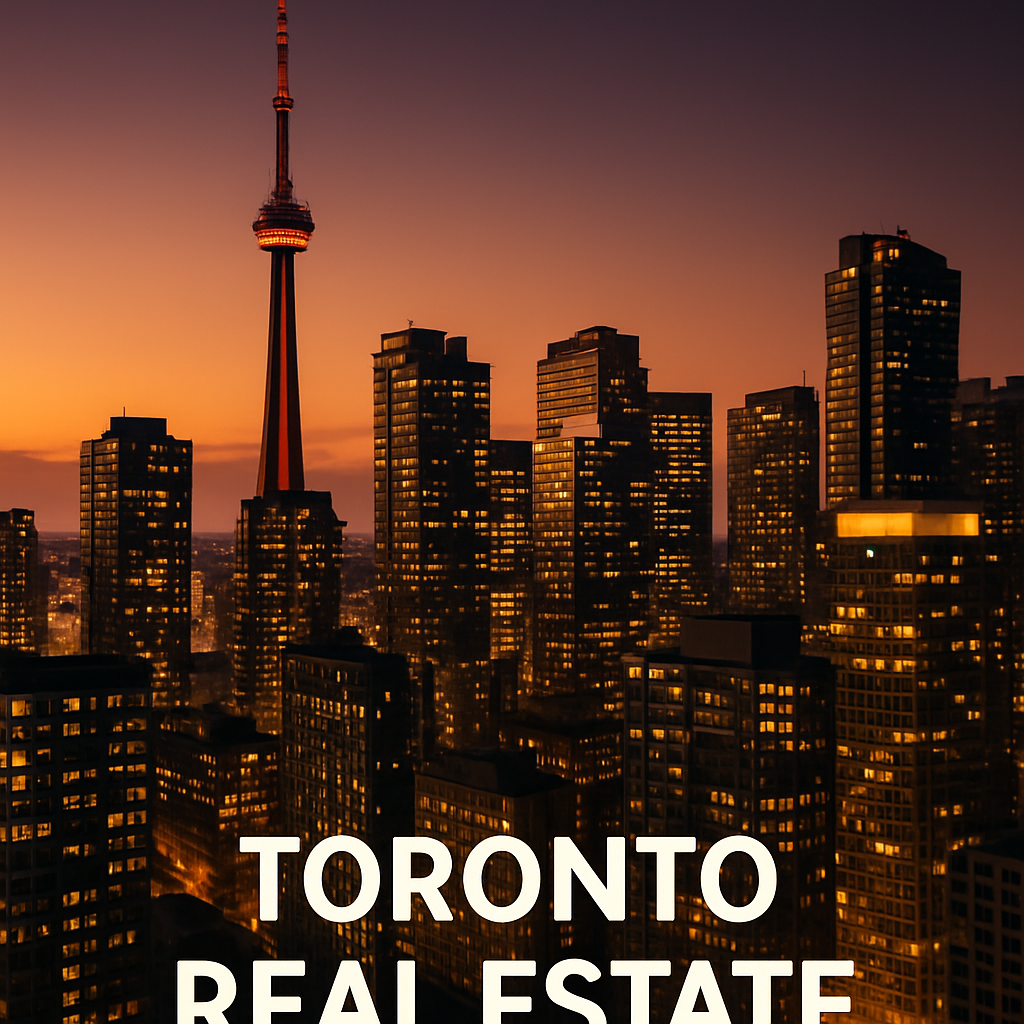

In the vibrant and ever-evolving Toronto real estate market of 2026, choosing the right property management company is a critical decision for landlords, investors, and condo boards aiming for seamless property management services. As the industry continues its digital transformation with advanced property management software and automated rent collection services, Toronto's leading firms distinguish themselves by providing comprehensive, full-service property management. This all-encompassing approach covers every operational aspect, from meticulous tenant screening to efficient maintenance coordination, all while ensuring returns are maximized and owner stress is minimized.
Property management plays a critical role in the success of real estate investments in Toronto. With rising property values, low vacancy rates, and increasingly complex rental regulations, managing a property today requires more than basic administration. It demands local expertise, financial discipline, and the right systems to stay compliant and profitable.
This guide explores what property management really involves in Toronto, how much it costs, and why professional management can significantly improve returns for property owners. From understanding core responsibilities to comparing top-rated firms and evaluating full-service offerings, this article helps investors make informed decisions in one of Canada’s most competitive rental markets.
At its essence, property management involves the complete oversight of residential, commercial, or multifamily properties. This includes a wide array of responsibilities such as leasing, rent collection, routine maintenance, and ensuring strict compliance with local regulations like Ontario's Residential Tenancies Act. In a competitive landscape like Toronto, where high demand intersects with stringent bylaws and escalating operational costs, effective property management is what transforms a passive real estate investment into a profitable, thriving asset. A great property manager serves as the on-site expert, skillfully bridging the gap between property owners and tenants while leveraging modern tenant management systems to boost efficiency and communication.
For investors in Toronto, this service transcends mere administrative support: it is a strategic partnership. With the city’s rental vacancy rates consistently low and property values on the rise, professional management is key to mitigating significant risks such as extended vacancies or costly legal disputes. The firms that truly excel are those that have embraced online property management, integrating platforms that offer real-time reporting and make it simple to track property management fees and return on investment. Whether you own a single condominium or a large portfolio of multifamily units, understanding what property managers do, from financial oversight to conflict resolution, is the first step in finding the perfect partner for your investment journey.
A property manager's role is multifaceted and dynamic, involving a wide range of critical tasks daily. They act as marketers, creating targeted listings to attract qualified tenants for vacant units. They are also risk assessors, conducting thorough background and credit checks to secure reliable and responsible occupants. Furthermore, they are financial coordinators, managing rent collection through secure digital portals that have been proven to significantly reduce late payments.
Beyond collections, their responsibilities extend to diligent maintenance coordination, where they dispatch trusted vendors for both emergency repairs and preventative upkeep, which is essential for preserving long-term property value. In Toronto's complex market, encompassing both multifamily property management and residential property management, top-tier managers also skillfully handle evictions, prepare detailed financial statements, and ensure every aspect of the property complies with Canadian property management services standards.
Their expertise, reflected in a property manager salary that often ranges from $70,000 to $90,000 annually in Toronto, delivers value that far outweighs the cost, boosting net operating income through optimized occupancy rates and stringent cost controls.
Understanding the cost of professional management is key for any property owner. In 2026, property management fees in Toronto typically fall between 6% and 12% of the monthly rent for residential properties. Full-service packages often start around $100 to $200 per unit, with potential add-ons for services like leasing or eviction processing. Fees across Canada often reflect local market conditions, and Toronto's high-cost environment means averages trend toward the higher end of the spectrum. However, value-oriented firms offering affordable property management may provide services for a flat fee or use a performance-based model.
The fees are generally based on the property type, with commercial property management often costing a lower percentage (3-7%) due to larger portfolio sizes, the range of services included, and the total number of units under management. For a comprehensive service package, a fee of 8-10% is a standard industry benchmark, providing a good balance between cost and the savings generated from reduced vacancies and efficient maintenance. A careful property management fees comparison often reveals that while budget options may seem appealing, they often lack the technological infrastructure of premium providers, who justify their expense through the superior efficiency and analytics offered by advanced property management software.
These typical charges help owners budget with confidence and make apples-to-apples comparisons between proposals, ensuring the chosen partner’s fee structure aligns with portfolio goals.
When comparing affordable versus premium property management, the decision ultimately hinges on the trade-offs between service depth and technological sophistication. An entry-level firm might charge a lower rate, perhaps 5-7%, but may rely on manual processes that can lead to slower rent collection and a higher risk of vacancies. On the other hand, premium firms, which may charge 10-12%, invest in advanced property management accounting tools that deliver instant financial insights, predictive maintenance scheduling, and AI-powered tenant screening, ultimately reducing overall operational costs through superior efficiency.
The property management vs self-management debate also presents a clear financial picture: going the DIY route saves on fees but can consume over 20 hours per month per property and exposes owners to legal risks. In contrast, professional management is shown to increase occupancy by 15-20%. This difference is further emphasized in a property management software comparison, where basic applications handle only the essentials, while integrated platforms automate everything from maintenance to compliance, making premium services the clear choice for serious investors.
Toronto's top property management companies masterfully combine local market expertise with technological innovation, earning their reputations through stellar property management reviews and high property management company ratings. Here are some of the standout firms that excel in the Toronto area:
A deeper property management companies comparison reveals what makes each of Toronto's best firms unique. Buttonwood Property Management builds exceptional investor trust through personalized service that drives high tenant retention. Royal York Property Management leverages its massive scale and rental guarantees to handle large portfolios with unmatched efficiency. Meanwhile, Del Property Management's decades of experience give it a reputation for reliability that newer companies cannot match.
Client reviews consistently praise Melbourne's customized approach, while ICON Property Management is noted for its tech-forward solutions. Both are highly effective at reducing vacancies. The primary pros of hiring a manager are time savings and access to expertise, while the main con is the fee, a cost easily mitigated by the ROI generated from powerful tools. Solutions like TenantPay, for instance, complement these firms by streamlining rent collection and accounting, integrating effortlessly into the leading software platforms used by Toronto landlords to enhance operational efficiency.
Choosing the right property management company requires careful vetting. Start by verifying credentials, such as ACMO or CMRAO certifications, and thoroughly reading online reviews. Next, evaluate the services included in their management package. Does it cover tenant screening, 24/7 maintenance, and access to a dedicated property management platform? Compare the management cost against any performance guarantees, like those related to filling vacancies.
Understanding how the company operates in practice is also crucial. The onboarding process typically involves a property audit, followed by ongoing cycles of leasing, collections, and financial reporting. Ultimately, it’s best to prioritize firms that have deep expertise in the nuances of the Toronto market, such as specific condo bylaws. Hiring a manager can slash administrative time, improve rent collection rates to over 95%, and ensure compliance with all rental regulations.
A comprehensive, full-service property management package is designed to handle every aspect of owning a rental property. These packages typically deliver leasing, rent collection, eviction processing, maintenance coordination, regular property inspections, detailed financial reporting, and legal compliance. In a market like Toronto, this also means providing tenants with access to a modern tenant management system for making payments and submitting maintenance requests, along with a network of vetted vendors for quick and reliable repairs.
Managers collect rent through various digital methods, including ACH transfers, credit cards, or specialized apps, ensuring compliance with Canadian regulations through automated reminders and late fee processing. The scope of these services often extends to strategic financial planning, including budgeting and capital planning to ensure the property's long-term health and profitability.
Launching a property management business in Toronto is a promising venture for those with the right expertise and resources. The first step is to secure the necessary CMRAO licensing to operate legally. Next, you'll need to build a robust technology stack, centered around a powerful property management software solution to automate and streamline operations. Building a strong network through industry organizations like ACMO can be invaluable for gaining referrals. It is also wise to focus on a specific niche, such as commercial properties or affordable housing, to differentiate your services. Be prepared for initial costs exceeding $50,000 for operations, marketing, and legal setup, but with a solid business plan, you can scale successfully through exceptional service and client referrals.
The argument for hiring a property manager is simple: time is money. A professional manager handles hundreds of tasks each month, freeing up property owners to focus on expanding their portfolios and other strategic goals. In a volatile market like Toronto, they leverage their scale and expertise to optimize operating costs, delivering significant long-term savings that more than justify their management fees. By outsourcing the day-to-day complexities of tenant and property management, investors can enjoy a more passive, stress-free ownership experience while still achieving superior financial returns. This makes hiring a property manager a clear win for anyone serious about their real estate investments.
For busy investors, the value of professional management is undeniable, often resulting in a 15-25% uplift in net operating income. When these expert services are paired with advanced platforms, the returns are amplified even further. In Toronto's 2026 market, elite companies like Del, Buttonwood, and Royal York are setting the standard for excellence. Integrating a tool like the TenantPay property management platform can elevate any operation, so be sure to delegate wisely to thrive.
Property management in Toronto is no longer optional for investors who want consistent performance and long-term growth. Between strict tenancy laws, high tenant expectations, and the operational demands of modern rentals, professional managers provide the expertise and systems needed to protect assets and maximize returns.
By partnering with a qualified property management company, landlords can reduce vacancies, improve rent collection, and avoid costly legal missteps. When combined with modern property technology and transparent reporting, professional management becomes a strategic advantage rather than an expense. For Toronto investors focused on scalability and stability, outsourcing day-to-day operations is one of the smartest decisions they can make.
Looking to simplify property ownership in Toronto?
Explore how professional property management, powered by tools like TenantPay, can help you save time, reduce risk, and grow with confidence.
Property management is the professional administration of real estate, which includes leasing, maintenance, financial reporting, and tenant relations to maximize owner returns while ensuring compliance with local laws, such as Ontario's tenancy regulations.
In Toronto, property management fees typically range from 6% to 12% of the monthly rent, with pricing varying based on the services included. Full-service packages often lead to savings through higher occupancy and operational efficiencies.
Property managers handle all daily operations of a rental property, including tenant screening, rent collection, maintenance coordination, and financial reporting, to ensure a seamless and profitable investment.
To start a property management company, you must obtain CMRAO certification, invest in reliable property management software, secure the proper insurance, and build a client base through industry networking within the GTA.
Hiring a property manager saves valuable time, reduces vacancies through expert marketing, and navigates complex legal requirements, ultimately delivering a higher return on investment compared to self-management.
Yes, professional property managers use data-driven marketing and rigorous tenant screening to fill vacant units approximately 20-30% faster than self-managing owners.
For most property owners in Toronto, especially those with multiple units, property management is well worth the cost. The fees are typically offset by a 15-25% increase in net operating income.
Full-service property management provides complete, end-to-end oversight, including leasing, maintenance, financial management, and tenant relations, all managed through an integrated platform.
Property managers collect rent digitally through online portals that support various payment methods, including bank transfers and credit cards, and use automated systems to ensure compliance with Canadian regulations.
When choosing a company, review their ratings and client testimonials, compare their services and fees, and assess their technology stack. Prioritize ACMO-certified firms with a strong local presence and positive reviews.