Sign Up Here – New Tenants
Login Here – Existing Tenants
Sign Up Here – New Landlords
Login Here – Existing Landlords



The Canadian rental landscape has undergone a significant transformation, with digital rent payment solutions now at the forefront of how landlords and tenants manage financial transactions. Gone are the days when rent collection relied solely on cheques, cash, or manual e-Transfers. Today's online rent payment platforms have revolutionized the residential property management experience, offering streamlined processes that benefit both property managers and tenants alike. Whether you're a landlord managing multiple units or a tenant seeking convenience and security, understanding the available digital rent payment platforms is essential for navigating the 2026 rental market. The shift toward online rent payment represents more than just technological convenience: it addresses fundamental challenges in residential property management. Late payments, lost cheques, disputed transactions, and administrative inefficiency have long plagued the traditional rent collection process. Modern rent payment software eliminates these pain points by automating collection, generating instant receipts, maintaining detailed payment histories, and integrating seamlessly with Canada's trusted banking infrastructure. This comprehensive guide explores the top property management payment systems available today, examines how different payment methods work, and helps both landlords and tenants understand why digital solutions have become indispensable in Canadian residential management.
Paying rent has evolved far beyond cheques and manual bank transfers. Across Canada, digital rent payment solutions are changing how tenants and landlords interact by making payments faster, more secure, and easier to track. What was once a monthly source of friction is now becoming a streamlined, automated process.
This guide explains how digital rent payment platforms work in Canada, the payment methods they support, and why both tenants and property managers are increasingly moving away from traditional methods. Whether you’re paying rent, collecting it, or managing multiple units, understanding how these systems function can help you save time, reduce errors, and build a more transparent rental relationship.
The mechanics of online rent payment platforms are straightforward yet powerful in their functionality. When you choose to pay rent digitally, the process begins with downloading an app or accessing a web portal and registering your account with your banking information and landlord details. Once registered, you select your preferred payment method and authorize the transaction. The platform then connects to Canada's banking infrastructure, typically through Interac e-Transfer, pre-authorized debit (PAD), or card networks, to facilitate the fund transfer from your account directly to your landlord's.
What makes this process so valuable is the automation and documentation it provides. Unlike manually initiating individual e-Transfers or writing cheques each month, digital rent payment solutions schedule payments automatically, track transaction history, generate digital receipts, and create a centralized financial record. This single-dashboard approach eliminates the need to sift through emails or bank statements to verify payments, creating a transparent record that benefits both parties in a rental relationship.
For property managers overseeing multiple units, this automation dramatically reduces administrative overhead and accelerates the rent collection timeline. The integration with Canada's established banking networks is particularly significant, leveraging Interac, trusted by every major bank and credit union, so you access familiar banking systems through a specialized interface designed specifically for the landlord-tenant relationship.
Understanding the payment methods accepted for rent is crucial when selecting a digital rent payment platform, as different options carry distinct advantages regarding speed, cost, and flexibility. Each method serves different priorities, whether you prioritize low fees, instant confirmation, or broader payment accessibility.
Traditional alternatives like bank bill pay and cash deposits are supported by some platforms, though digital solutions emphasize modern payment methods. The key consideration is that most leading rent payment platforms in Canada support nearly all Canadian financial institutions, making compatibility with your specific bank less of a concern than it once was.
For tenants, the advantages of adopting online rent payment extend far beyond simple convenience. Automatic payment scheduling eliminates the cognitive load of remembering due dates and manually processing payments each month, reducing stress and preventing accidental late payments that can trigger fees and harm references. Detailed payment history and digital receipts provide immediate proof of payment and a long-term record stored within the platform, which is invaluable for resolving disputes about timing or amounts.
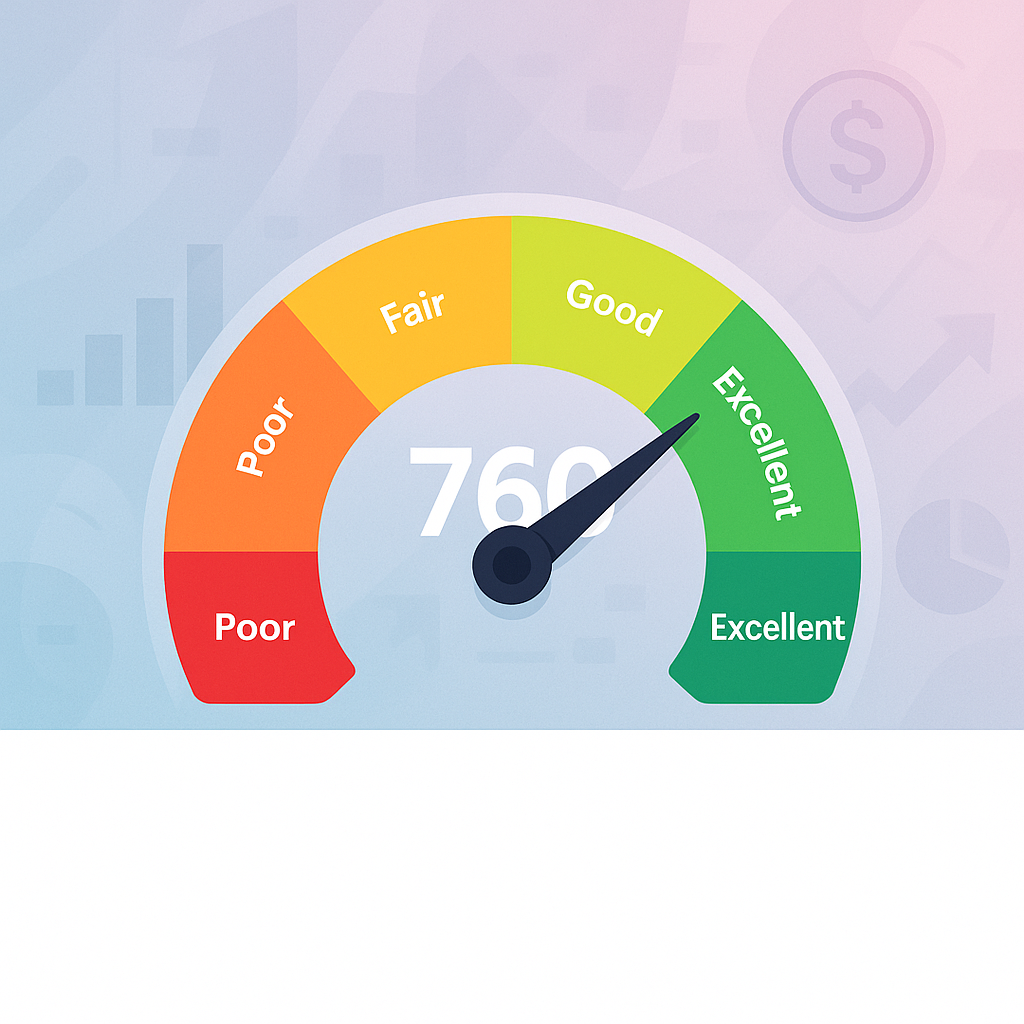
For those in shared living situations, many digital rent payment platforms offer multi-tenant support that simplifies splitting rent among roommates by tracking individual contributions and combining payments automatically. Perhaps most significant for long-term financial health is credit reporting integration: modern platforms allow on-time rent payments to contribute positively to your credit score, transforming rent from a pure expense into a credit-building opportunity for young adults and those rebuilding credit.
From the property management services standpoint, digital rent payment solutions deliver measurable improvements to cash flow, administrative efficiency, and tenant retention. Automated rent collection directly reduces late payments by eliminating friction from the payment process, and instant confirmations lower disputes.
Property managers report that automated rent collection systems reduce processing time and late incidents compared to traditional methods. Leading solutions like TenantPay, alongside competitors such as Buildium and Avail, offer rent payment software that connects seamlessly to accounting tools, so payments flow directly into reconciliation and tax reporting, delivering real-time cash flow visibility.
For property managers overseeing multiple units, whether 5 or 50+, scalability is essential. Online platforms handle volume automatically, send reminders, apply late fees according to lease terms, and generate portfolio-level reports. The property management payment system also provides a shared audit trail that reduces friction by giving both parties identical, time-stamped records.
The shift from traditional to digital rent payment solutions represents a fundamental change in how rental transactions occur, with measurable differences in speed, cost, and reliability.
Cheque-based rent payment requires mailing, invites loss or theft in transit, and offers no digital proof until clearing, a process that can take days. If a cheque is lost or delayed, both parties face follow-up and uncertainty, and managers must manually reconcile deposits to tenant ledgers.
Manual e-Transfers improve on cheques but still require monthly human action. Tenants must initiate and verify payments; landlords must monitor notifications and match receipts to ledgers, an error-prone process at scale.
Online platforms eliminate these friction points. Payments are automated and scheduled, confirmations are instant, and funds move through established banking infrastructure within hours. Systems match payments to tenant accounts, track delinquencies, apply late fees per lease terms, and generate tax-ready reports, often reducing processing overhead by 40% or more.
While email-reliant methods expose data and timing risks, secure online rent payment platforms encrypt sensitive information and authenticate through bank-grade protocols. Cost structures are transparent: Interac is typically low-cost, PAD includes platform fees, and card payments carry 2–4% convenience fees. When factoring saved time and fewer errors, total cost of ownership usually favours digital methods, especially for multi-unit portfolios.
Selecting the right digital rent payment platform means focusing on the capabilities that matter most to your situation rather than the longest feature list. The following essentials help tenants and managers choose with confidence.
Together, these features reduce late payments, simplify reconciliation, and ensure your platform enhances, not complicates, everyday operations.
Concerns about security and privacy are justified when considering online rent payment, as rent involves sensitive financial information and substantial transfers. Reputable platforms encrypt data in transit and at rest and comply with standards like PCI DSS (Payment Card Industry Data Security Standard).
Modern systems use secure authentication that verifies identity without exposing banking passwords to the platform. Regular third-party audits and clear security documentation indicate a provider’s commitment. Users should also practice good hygiene: strong passwords, multi-factor authentication, and avoiding public Wi‑Fi for account access. For data handling, look for adherence to Canadian privacy obligations such as the Personal Information Protection and Electronic Documents Act (PIPEDA).
As 2026 progresses, digital rent payment solutions continue to evolve: credit reporting is becoming standard, Interac adoption remains dominant, and integrations with budgeting and financial wellness tools are expanding. AI-driven analytics are emerging to forecast risk and support proactive outreach. While blockchain options remain niche, platforms prioritizing security, transparency, and Canadian compliance will lead adoption.
Tenants can switch with minimal disruption: choose a platform compatible with your bank and accepted by your landlord, create an account, authorize your first payment, and test a one-time transaction before enabling automation.
Property managers should request demos, verify accounting integrations, and plan brief staff training. Most solutions deploy within days, and the gains, lower delinquencies, faster cash flow, better documentation, make the shift compelling for residential property management operations.
Digital rent payment solutions have become a foundational part of modern renting in Canada. By integrating with trusted banking infrastructure like Interac and PAD, these platforms offer a secure, automated, and well-documented way to handle rent payments at scale. Tenants benefit from convenience, clarity, and in some cases credit-building opportunities, while landlords and property managers gain faster cash flow, reduced administrative work, and a reliable audit trail.
As rental operations grow more complex and compliance requirements continue to evolve, digital rent payment is no longer just a convenience. It is a practical tool for reducing late payments, improving communication, and maintaining professionalism across the landlord-tenant relationship. Choosing the right platform and using it effectively can transform rent collection from a recurring task into a seamless system that works in the background.
Simplify rent payments and tracking with TenantPay, built for Canadian landlords and tenants.
To Pay rent online Canada, download a rent payment app compatible with your bank and landlord, create an account with your banking information, select your preferred payment method typically Interac e-Transfer, PAD, or debit card, and schedule your payment through the platform's interface.
Automated rent collection through a digital rent payment platform is the easiest approach, as it requires you to set up the payment once and then processes automatically each month without requiring manual action.
Yes, reputable digital rent payment solutions encrypt sensitive financial information, comply with industry security standards like PCI DSS, and use secure authentication protocols that protect your banking credentials while allowing you to authorize payments. Always verify the platform is reputable and uses adequate security measures like those outlined in the Personal Information Protection and Electronic Documents Act (PIPEDA) before providing banking information.
Most Canadian digital rent payment platforms accept Interac e-Transfer, pre-authorized debit (PAD), credit cards, debit cards, and sometimes bank bill pay or cash deposits through partner retailers. Verify which methods your specific platform and landlord support before committing.
Interac e-Transfer payments typically appear in the landlord's account almost instantly, while PAD and bank transfers usually require 1–3 business days for completion. Credit card and debit card processing times vary by platform but generally occur within 1–5 business days.
Digital rent payment solutions provide automatic scheduling that eliminates late payments, instant digital receipts proving payment, detailed payment histories for dispute resolution, and,through some platforms credit building opportunities. Property managers benefit from reduced administrative overhead, faster cash flow, and automated late fee application.
Yes, most Canadian landlords now accept or prefer online rent payment methods, and dedicated platforms make setting up landlord rent collection effortless. If your landlord doesn't yet offer digital payment, suggesting the option may encourage adoption.
The best platform depends on your specific needs. Evaluate options based on your bank compatibility, landlord preferences, and desired features like those offered by TenantPay for Canadian compliance, or other platforms for comprehensive property management integration.
Digital rent payment eliminates the fraud risk of cheques, provides instant confirmation compared to days-long clearing periods, reduces administrative overhead for property managers, and—through some platforms—builds your credit history while you pay rent.
This depends on provincial and territorial laws. While landlords can encourage digital payments, some jurisdictions may require them to offer at least one alternative method. Always check your local tenancy regulations to be sure.